
Liew clarifies RON95 remarks after quota cut confusion
Liew clarifies RON95 remarks after quota cut confusion
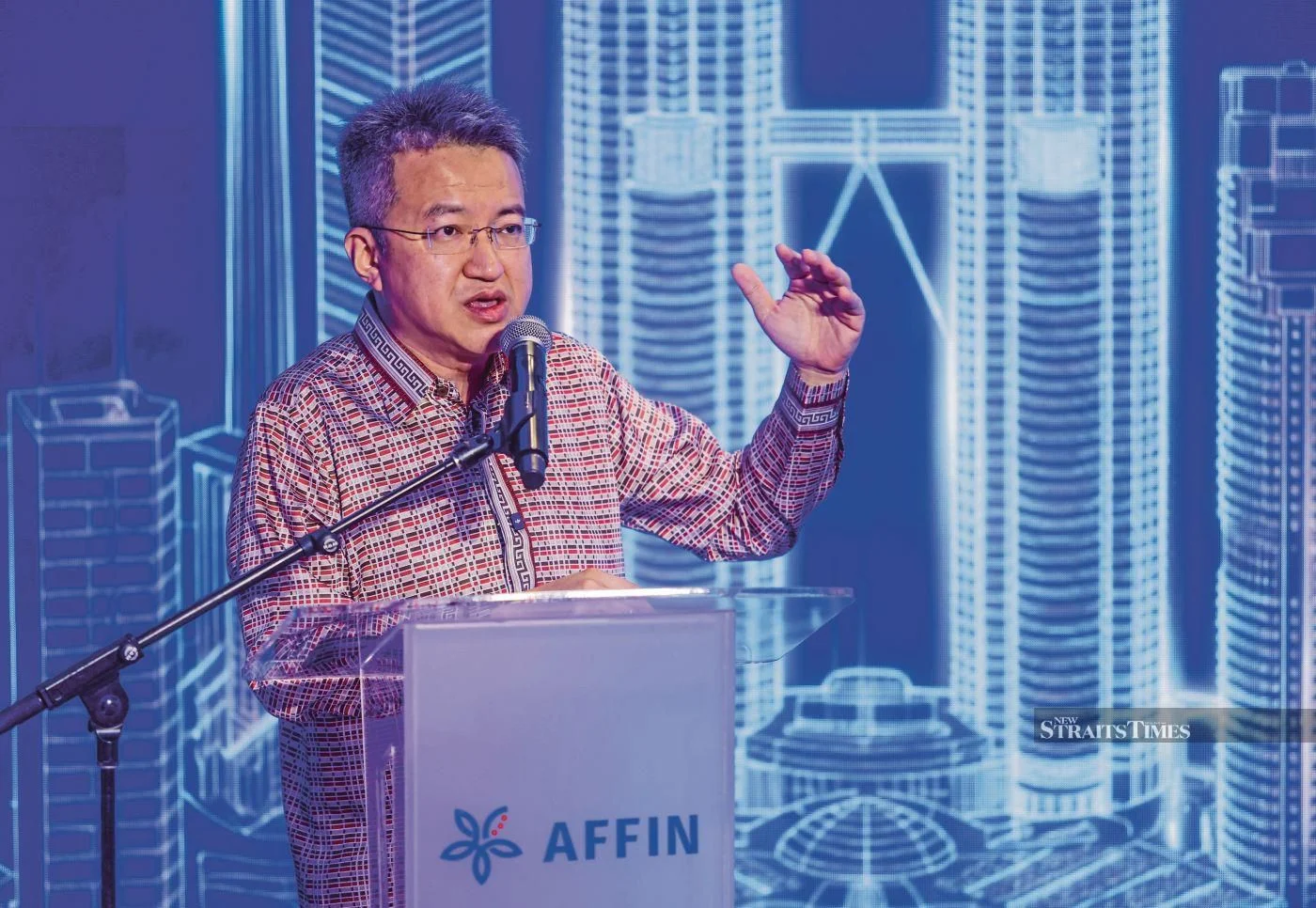
KUALA LUMPUR: Malaysians can rest assured that the RON95 subsidy quota will remain at 200 litres a month.
Deputy Finance Minister Liew Chin Tong said his breakdown of the fuel use pattern at an event was misconstrued as him suggesting that the government’s plan was to further reduce the quota to 150 litres.
In March, following the spike in global crude oil prices, Putrajaya was forced to slash the 300 litres a month quota by 100 litres.
“Initially in September last year, everyone was given 300 litres per person per month. It has now been reduced to 200 litres. Do you see many people affected?” Liew said during the Fireside Chat event at Affin Bank here yesterday.
DISYORKAN UNTUK ANDA :
- UMNO Ke-80: Memperbaharui Iltizam Perjuangan Demi Masa Depan Malaysia
- Sesi Fotografi: Ahmad Zahid Sifatkan Peristiwa Signifikan, Kenang Sejarah Penubuhan UMNO
- ‘UMNO Bukan Lahir Kerana Musim, Tetapi Atas Dasar Tanggungjawab’ – Dr Akmal
UMNO 80 Tahun: Dari Istana Kembali Ke Istana, Mengangkat Sejarah Perjuangan Bangsa
“The next step is 150 (litres). Sixty per cent of the population use less than 150 litres. And further down, 50 per cent of the population uses less than 100 litres. So, at some point, I think we will have to deal with using Budi95 as a demand management tool.”
His remarks sparked support as well as cynical retorts, with some netizens saying such a cap would affect daily commuters, especially middle-income households and those living in areas with limited public transport options.
Many interpreted his remarks as a signal that Putrajaya was ready to reduce the fuel quota.
In a comment on the NST Online Facebook page, user James Gan wrote: “150 litres is good enough! At least we still get subsidy.”
DISYORKAN UNTUK ANDA :
- Lapan Dekad Berjuang, UMNO Tidak Pernah Luntur Demi Rakyat – Azman Ismail
- Keresahan Melayu Mesti Diurus Dengan Hikmah dan Penyelesaian – Ahmad Zahid
- RIMBUN 2.0 Himpun Suara Anak Muda, 25 Resolusi Dibawa Ke MKT UMNO
Ulang Tahun Ke-80: UMNO Tunjang Utama Pembentukan Negara – Samasuddin
User Siti Mariam said: “There should be proper assessment. The cut should be based on individual consumption rather than average consumption.”
User Saiful Hafez Ali said: “Better cap at 100 litres so long as the government does not discriminate (against) T20 people.”
User Zezen Raj said: I sokong (support)… Eighty to 90 per cent of the (vehicles) on the roads are single passenger only.”
After Liew issued a clarification on his comments, some media organisations amended or removed their earlier reports.
In a Facebook post, Liew said he made the remarks when he was asked about the government’s strategy to face the global energy crisis at the event.
“It’s unfortunate that what I said was taken out of context.
“In no instance I announced anything on behalf of the government and in no instance that I announced the 150 litres limit as potential government policy.
“The Budi95 mechanism is a good tool as it provides us with data to understand the travel pattern of Malaysians. The top priority of the government and everyone in the society is to ensure that we have sufficient supply for as long as possible.
“As a society, we must ensure that we have petrol supply for the longest time and at some point we should build consensus to support the effort to reduce fuel consumption.
“I regret that my comments have caused a media storm and I hope all will consider the full context of what I said.”
The episode highlighted the people’s sensitivity on the issue of subsidy reforms, particularly for RON95 petrol.
Fuel subsidy rationalisation has been a hot topic as Putrajaya seeks to narrow its fiscal deficit and reduce subsidy leakages.
The controversy over Liew’s remarks underscores how policy discussions can be interpreted as imminent decisions.
The government has repeatedly maintained that 85 per cent of Malaysians will continue to receive subsidised fuel under the targeted mechanism.
Higher-income groups and luxury vehicle owners are expected to gradually pay market prices.
Prime Minister Datuk Seri Anwar Ibrahim had previously acknowledged the challenges in determining a fair income threshold and usage limit under for the subsidy system.
He said balancing fiscal sustainability with the needs of the middle class remains a key policy challenge, as overly broad subsidy cuts could place pressure on ordinary households while excessively narrow targeting could weaken the reform’s effectiveness.
Economists have long argued that targeted subsidies are needed to ensure government assistance reaches lower-income groups while reducing wastage and leakages that benefit higher-income households and foreigners.
Analysts have also warned that communication missteps on sensitive bread-and-butter issues can easily create anxiety among consumers already grappling with cost-of-living pressures.
Liew clarifies RON95 remarks after quota cut confusion
DISYORKAN UNTUK ANDA :
- TVET Jadi Kunci Malaysia Terajui Industri EV Dan Tenaga Baharu — Ahmad Zahid
- Program Ekonomi MADANI ATM Fokus Pembangunan Sosio-Ekonomi Keluarga Tentera
- Ahmad Zahid Hargai Dedikasi Jururawat, Penggerak Utama Penjagaan Kesihatan Negara
LAWATI LAMAN FACEBOOK KAMI :
Layari Laman Facebook MYKMU.NET
Azalina Tinjau Cadangan Penempatan Mahkamah Komersial Baharu, Perkukuh Sistem Kehakiman

You must be logged in to post a comment.