
Judges must seek to be right, not popular, says Chief Justice
Judges must seek to be right, not popular, says Chief Justice

PETALING JAYA: Social media outrage and trial by public opinion pose a growing threat to judicial independence, says the Chief Justice, Wan Ahmad Farid Wan Salleh, who urged judges to focus on delivering justice rather than on winning public approval.
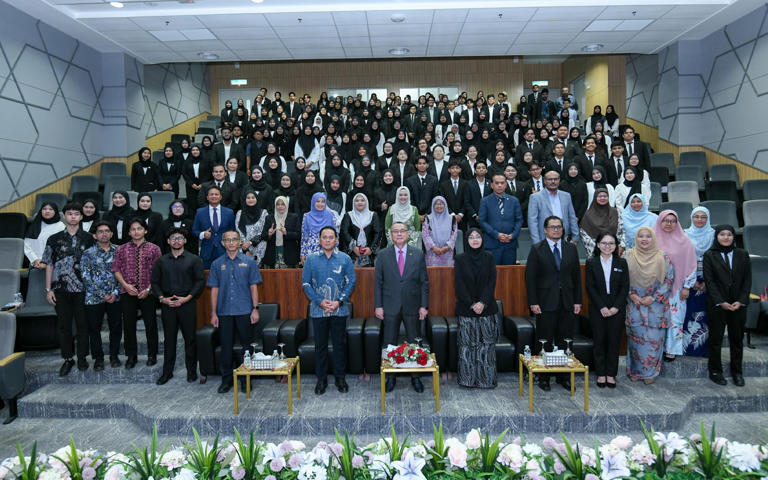
Speaking at an academic lecture for law students at Universiti Sultan Zainal Abidin in Kuala Terengganu today, he said the judiciary must distinguish between public confidence, which it must learn, and public approval, which it must never chase.
“Our job as judges is not to be popular. Our job is to be right,” he said in his lecture on whether the judiciary can survive the court of public opinion.
He said lengthy judgments were often reduced to screenshots and circulated online, with people forming strong opinions without reading the court’s reasoning. “I would urge you, whatever the case, to read the judgment itself, including the dissent where there is one, before forming a view.”
Wan Ahmad Farid said courts were frequently praised as independent when their decisions favoured one side, but accused of being compromised when rulings went the other way. “That is not analysis. It is pure, unadulterated partisanship at its ugliest.”
DISYORKAN UNTUK ANDA :
- Amanah Bukan Sekadar Janji, Kesejahteraan Rakyat Jadi Keutamaan – Mohd Zaidy
- Kesejahteraan Warga ATM Turut Rangkumi Pendidikan Anak-Anak
- Dap VS Dap: Teresa Kok Bantah Projek Rumah Madani, Hannah Yeoh Pula Bagaimana?
Raudhatul Ummah: JABHAH Manifestasi Komitmen Berterusan UMNO Memperkasa Islam
He cited the judiciary’s troubled history, including the 1988 judicial crisis and the 2007 “correct, correct, correct” video controversy, saying public suspicion could sometimes be justified. The judicial institution must acknowledge its shortcomings and rebuild public trust through honest self-correction, he said.
“An institution that cannot speak honestly about its own history cannot ask for trust,” the chief justice said.
He cautioned that anticipated online backlash could influence judicial decisions, compromising independence even without direct interference.
Wan Ahmad Farid called for plain-language summaries of judgments, timely publication, transparent complaints procedures and a credible judicial code of ethics.
DISYORKAN UNTUK ANDA :
- Kerajaan Dalam Sindrom Ketakutan, Terus Menekan UMNO
- Sumbangan Pusat Data Kepada KDNK Meningkat Kepada RM14.1 Bilion Pada 2025
RSN Rayer Jangan Cetus Persepsi Buruk Terhadap Institusi Kehakiman
He said criticism of judicial decisions was healthy, but personal attacks and attempts to portray judges as enemies could erode respect for the institution.
“The court of public opinion operates on popularity and sometimes unverified data. The court of law operates on legality.” Asked whether the judiciary could survive public scrutiny, he gave an unequivocal answer: “Yes.”
Judges must seek to be right, not popular, says Chief Justice
DISYORKAN UNTUK ANDA :
- Bertanya Untuk Dapatkan Penjelasan Atau Jatuhkan Hukuman?
- Kerjasama Strategik Perkasa Bakat Anak Johor – Dr Naqib
- Jerebu: Johor Seru ASEAN Adakan Mesyuarat Tergempar Perkukuh Tindakan
LAWATI LAMAN FACEBOOK KAMI :
Layari Laman Facebook MYKMU.NET





You must be logged in to post a comment.