
RTS Link set to trigger ‘rent shift’
RTS Link set to trigger ‘rent shift’
JOHOR BARU: Nazaman Kutpedean’s “home” in Singapore is a small room he shares with four other Malaysian men. It’s a space he describes as “about the size of two parking bays”.
The 36-year-old technician, who has been working in the island republic’s Sembawang for 13 years, said the room costs S$1,200 (about RM3,650) a month.
But he hardly lives in it.
The apartment has three rooms and two bathrooms, which are shared by 12 occupants.
DISYORKAN UNTUK ANDA :
- Kenyataan Pelaburan Kedah Lebih Kepada Membina Persepsi – Shaiful Hazizy
- Komitmen Kerajaan Negeri Perkasa Pembangunan Mahasiswa Anak Johor
- Jalaluddin Ziarah Mangsa Kebakaran, Segerakan Bantuan Kecemasan
Rakyat Jangan Lena, Bersedia Hadapi Gelombang Ekonomi Global – TPr Abdul Razak
For thousands of Malaysians employed in Singapore, the routine is painfully familiar. They pay steep rents for small shared spaces to avoid the uncertainty of crossing the Causeway daily. But that could soon change.
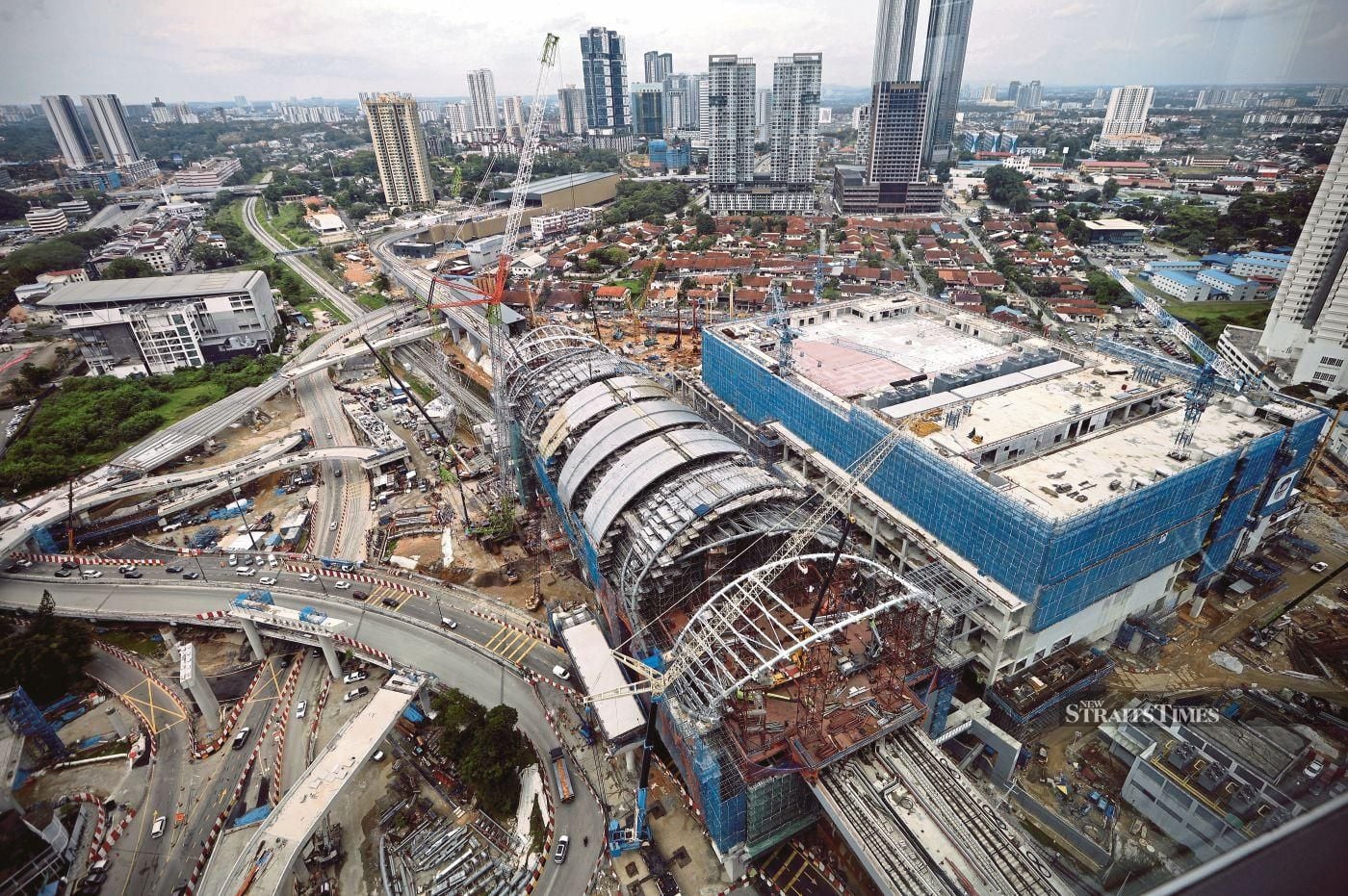
The Rapid Transit System (RTS) Link, connecting Bukit Chagar in Johor Baru to Woodlands North in Singapore, is expected to be fully operational on Jan 1. It will offer a five-minute rail journey across the border.
Property analysts say the project could trigger a major shift, as Malaysians renting in Singapore may instead choose to live in Johor Baru and commute daily.
More than a million Malaysians are estimated to be working in Singapore, but only about 300,000 to 400,000 commute daily, with many choosing to live in the republic to avoid unpredictable traffic at the border.
The RTS could tip that balance.
Singapore-based realtor Jannah Mansor said the economics of commuting versus renting were becoming increasingly clear.
DISYORKAN UNTUK ANDA :
- MB Johor Ingatkan Pengunjung Hutan Bandar MBJB Jaga Kebersihan, Kemudahan Awam
- Raikan Syawal Dengan Semangat Bermaafan Dan Kasih Sayang – Othman Desa
- ‘Keputusan MIC Bukan Sekadar Politik Hari Ini, Tetapi Masa Depan Malaysia’ – Dr Zambry
Kenaikan Harga Diesel: Harga Barangan Asas Perlu Dipantau, Dikawal Ketat
“RTS fares make daily commuting from Johor far more attractive than maintaining a rental in Singapore,” she said.
“We may see a decline in short-term rental demand in Singapore, while homes near the RTS station in Johor may become even more sought after.”
She said developers around the RTS corridor were already seeing strong sales, particularly from Singaporean buyers and investors.
“In the past, developers would engage Singapore realtors to promote their projects. Now, properties near the RTS are selling
so quickly that buyers approach them directly.”
Johor Baru-based property agent Norazman Abu Bakar said the shift was already visible in buyer behaviour.
“Many clients are specifically looking for homes within walking or cycling distance of the RTS station,” he said.
“They want to commute daily instead of paying high rent in Singapore.”
Industry observers said the numbers made the decision increasingly compelling.
Olive Tree Property Consultants founder and chief executive officer Samuel Tan said the RTS could fundamentally reshape the cross-border property market.
“The RTS effect is no longer just a theory. It is already beginning to shift the economic and residential landscape of the Johor-Singapore corridor.”
He noted that a common room in Singapore’s public housing flats near the border typically rented for S$1,000 to S$1,500, while small apartments could exceed S$2,500 monthly.
In comparison, RTS fares are estimated at S$5 to S$7 per trip.
“A commuter could spend S$220 to S$300 a month on fares. Even after adding last-mile transport costs, it is still far cheaper than renting in Singapore,” Tan said.
Beyond savings, the rail link promises predictability. The RTS journey will take about five minutes, with trains arriving every 3.6 minutes during peak hours.
Combined with co-located immigration clearance, the total travel time between Bukit Chagar and Woodlands North is expected to be under 30 minutes.
This system allows travellers to complete both Malaysian and Singaporean immigration checks at a single facility at their point of departure (Bukit Chagar or Woodlands North).
Currently, commuters riding motorcycles or using buses or cars often set aside 1½ to three hours to account for unpredictable traffic at the Causeway.
“The RTS does not just save money. It buys back time and certainty,” Tan said.
Despite its benefits, Tan cautioned the RTS would not eliminate congestion at the Causeway.
The system is expected to carry about 10,000 passengers per hour, only a fraction of the more than 300,000 people who cross the border daily. However, the psychological shift could be profound.
For workers like Nazaman, the prospect of swapping a cramped rented room in Singapore for a proper home in Johor Baru is tempting.
“If the commute becomes predictable, I would definitely consider living in Johor again.”
After more than a decade of paying rent for little more than a bed, the RTS could finally offer something many cross-border workers have longed for — space, savings and a real life.
RTS Link set to trigger ‘rent shift’
DISYORKAN UNTUK ANDA :
- Kerjasama Ibu Bapa, Guru Dan Komuniti Pacu Kecemerlangan Pendidikan -Rozi Mamat
- Melaka Tak Perlu Catu Air, Paras Air Empangan Utama Negeri Masih Terkawal – Ab Rauf
LAWATI LAMAN FACEBOOK KAMI :
Layari Laman Facebook MYKMU.NET
Lebih 13,000 Hektar Sawah Padi Di Perak Turut Terjejas Akibat Cuaca Panas



You must be logged in to post a comment.