
Smuggling rings get smarter: Syndicates exploit hidden coastal routes
Smuggling rings get smarter: Syndicates exploit hidden coastal routes
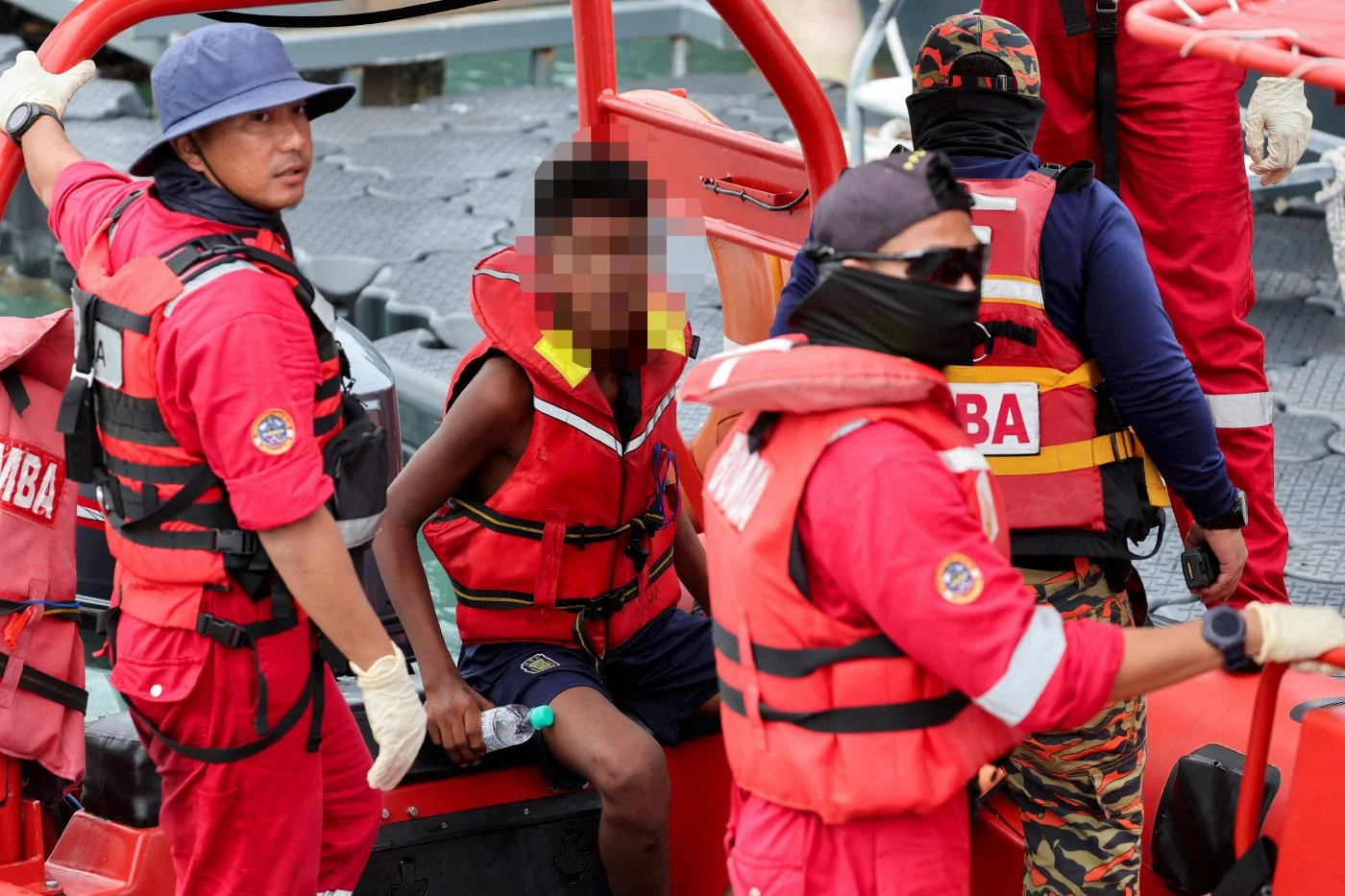
KUALA LUMPUR: Human-smuggling syndicates have grown brazen and tactical, exploiting small coastal towns and hidden stretches of sea to slip past maritime patrols.
Recent intelligence from the Malaysian Maritime Enforcement Agency (MMEA) shows smugglers moving undocumented migrants along unofficial maritime routes, mimicking local fishing-boat patterns and landing in secluded spots.
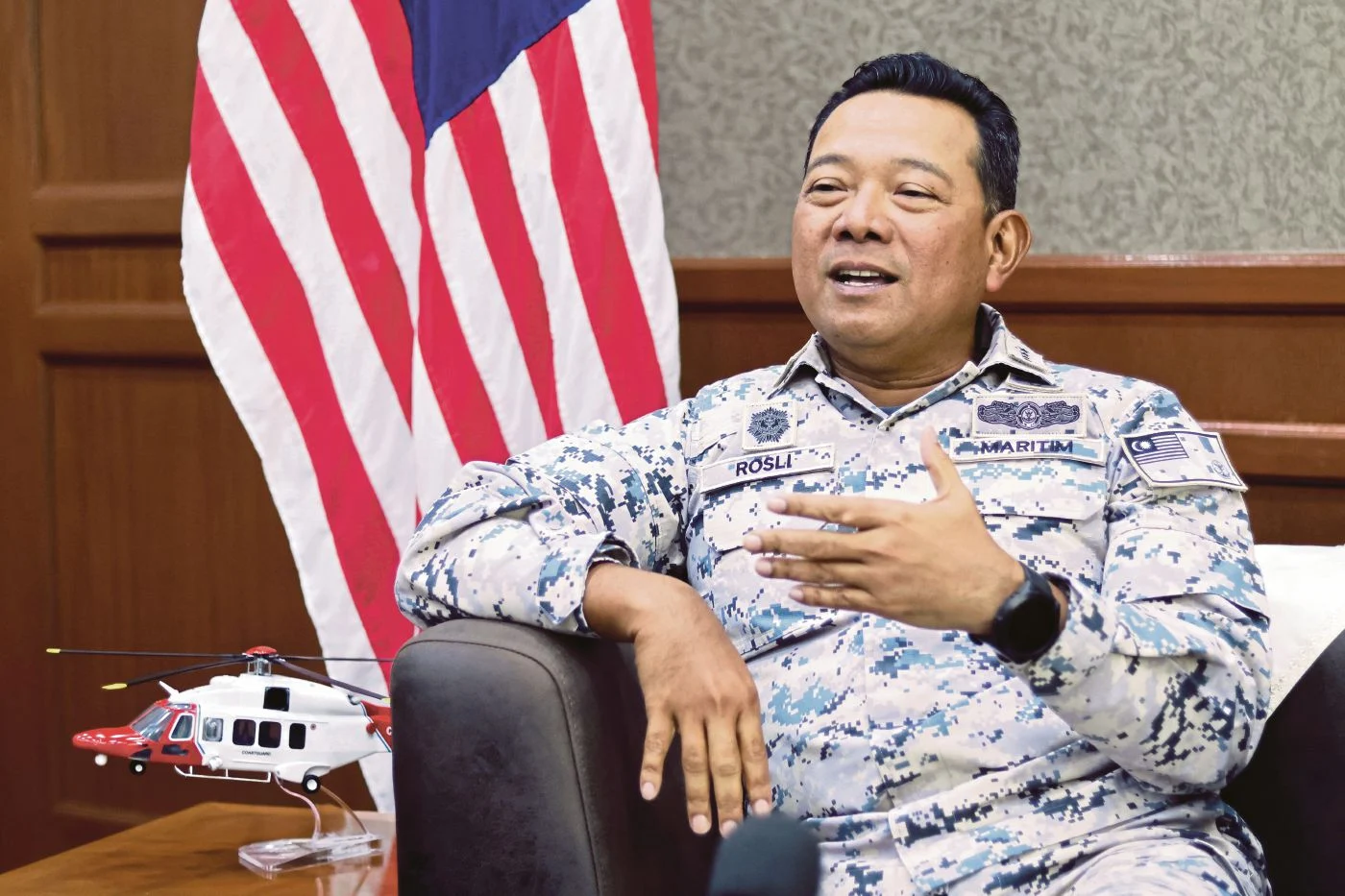
MMEA director-general Maritime Admiral Datuk Mohd Rosli Abdullah said these hard-to-police waters had turned Malaysia’s maritime borders into a patchwork of clandestine corridors for migrants from neighbouring countries.
MMEA has, however, identified hotspots and entry routes used by the syndicates.
“The west coast of Peninsular Malaysia is a major entry corridor, with undocumented migrants travelling from Sumatra to Perak, particularly Hutan Melintang and Bagan Datuk, and to Sabak Bernam and Kuala Selangor.
DISYORKAN UNTUK ANDA :
- PAS Lupa Diri Atau PPBM Tak Sedar Diri
- Sekali Lagi Ahmad Terrirudin Terlepas
- Jangan Sampai Keadilan Untuk Zara Qairina Menjadi Pencetus Kemarahan Rakyat Seperti Di Indonesia
Rosli said another active maritime route involved movements from Batam, Karimun and Bintan in Indonesia towards Johor waters, with landings often occurring in Stulang Laut, Pengerang, Desaru, Batu Pahat, Pontian, Muar and Kukup.
“We have also identified hotspots in Sabah waters, particularly the east coast areas of Sandakan, Semporna, Lahad Datu and Tawau.
“These routes originate from the southern Philippines, Mindanao, Basilan and Tawi-Tawi, as well as Sulawesi in Indonesia.”
DISYORKAN UNTUK ANDA :
- Mampukah Slogan Saya Anti Buli Menoktahkan Jenayah Buli Di Sekolah?
- Apakah Ada Sinar Untuk DS Najib Pada 13 Ogos Ini?
- Apa Lagi Yang Tengku Maimun Cuba Buktikan
Apakah Kuasa Raja Raja Melayu Akan Terus Di Cabar Di Mahkamah?
Rosli said these routes remained among the busiest corridors due to the short distances involved and the presence of many small islands that served as transit points.
He added that most undocumented migrants came to Malaysia seeking work.
Indonesians form the largest group, followed by Filipinos, many of whom head to Sabah for employment or family ties,
Migrants from Bangladesh, Myanmar, Nepal, India and Vietnam often reach Malaysia via labour-trafficking syndicates or by claiming refugee status.
HELP FROM LOCALS
MMEA intelligence shows that human-smuggling syndicates often rely on land-based lookouts.
These people, Rosli said, were usually residents or long-term foreign residents who acted as smugglers’ eyes and ears.
“They look out for authorities and alert syndicates if patrols are nearby.
“Some even provide logistical support, such as supplying vehicles or temporary shelters for undocumented migrants after they land.
“In many cases, syndicates operate with local support, for example, e-hailing drivers or informants, to move migrants inland after coastal landings.”
He said smugglers mimicked the movements of local fishing boats and operated mainly under cover of darkness.
To counter this, Rosli said, MMEA had strengthened border control using monitoring technology, improved intelligence and tactical patrols.
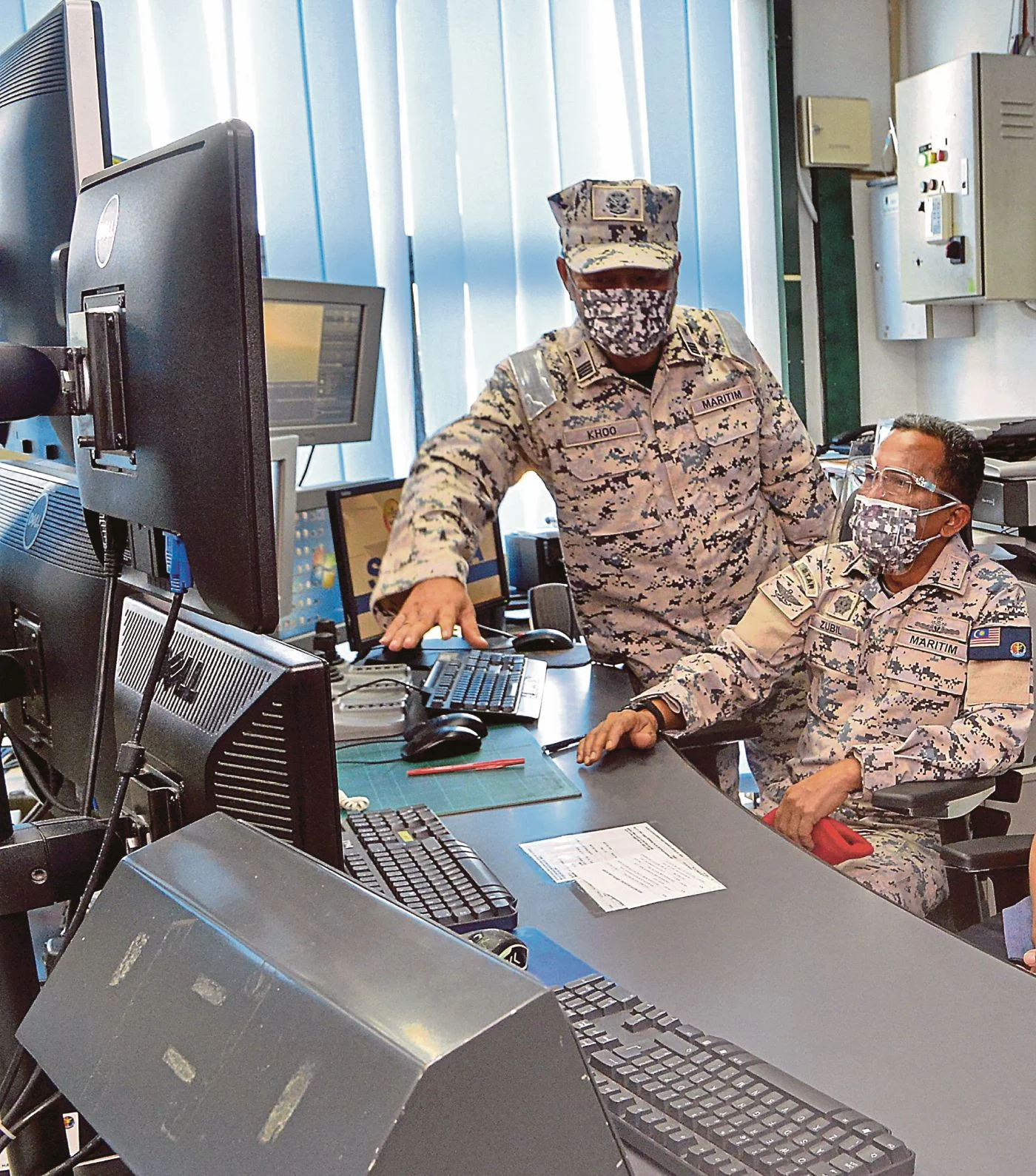
“To detect and intercept threats before they enter Malaysian waters, MMEA relies on the Malaysian Maritime Sea Surveillance System (SWASLA) radar network to track and identify all types of ships and vessels.
“The agency also uses coastal radar, the Automatic Identification System and aerial and satellite monitoring to detect suspicious vessel movements.
“Intelligence is also gathered through collaboration with regional security agencies, including Indonesia and Thailand.”
When detected, high-speed MMEA assets intercept and detain migrant boats in open waters with operations conducted in coordination with the navy, marine police and Immigration Department to ensure all individuals are processed according to safety procedures and the law.
CHALLENGES FACED
Securing the seas, Rosli said, is difficult because Malaysia’s vast maritime zone, including the Strait of Malacca, South China Sea, Sulu Sea and Sulawesi Sea, demands high commitment.
This includes 556,285sq km of the Exclusive Economic Zone and 65,035sq km of territorial waters.
“As such, the challenges relate to the 4Ms: man, machine, method and material.
“The agency has 5,473 personnel, but the MMEA 2040 strategic plan estimates the need for 9,414 personnel by 2040.
“More interception-class vessels and high-endurance ships are also required, particularly in hotspots.
“Operations are guided by intelligence-led deployment, while maintenance and financial resources remain key constraints, with readiness rates at 51 per cent for ships and 72 per cent for boats.”
Other challenges involve geography, weather, tidal phenomena and terrain, which complicate enforcement operations.
“Given Malaysia’s shared maritime borders and the importance of its waters as sea lines of communication, these factors present significant challenges.
“MMEA requires a large workforce and adequate facilities to ensure national waters remain safe and secure.”
Smuggling rings get smarter: Syndicates exploit hidden coastal routes
DISYORKAN UNTUK ANDA :
- Kembalikan Sepenuhnya Kuasa Mendidik Kepada Cikgu Sekolah
- Misi Global Sumud Flotilla Gagal?
- Mampukah Anwar Membawa Malaysia Keluar Dari Masalah Kemelut Fiskal
LAWATI LAMAN FACEBOOK KAMI :
Layari Laman Facebook MYKMU.NET




You must be logged in to post a comment.